|
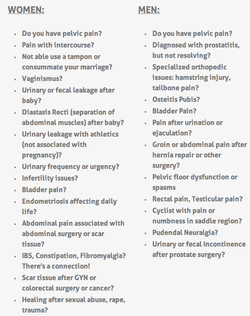
Undoubtedly, one of the conditions I am most passionate about treating is vaginismus. I wish I could scream it out loud: THERE'S HELP AND HOPE with the right treatment! I promise. I have seen so many women who suffer in silence for many years and finally get the help they need. They often share their frustrations of feeling isolated and alone in dealing with this. Often times, they don't attempt to have sexual relationships or end up losing relationships. These women often share that they also don't always participate in activities because they can't use tampons or menstrual cups. What is Vaginismus? Vaginismus is characterized by fear, pain and vaginal spasm in anticipation of gyn exam, tampon or menstrual cup insertion, or vaginal penetration with sexual activity (finger, toys, penis). They typical definition describes vaginal muscles (pelvic floor muscles) that involuntarily or persistently contract when women attempt vaginal penetration. The condition can be caused by physical or psychological factors or a combination. Some describe vaginismus and the reaction of the pelvic floor muscles as a similar response to when an object is brought close to someone's eye and there's a reflexive blink and protection/closure. Primary vaginismus usually refers to the experience of vaginismus with first-time intercourse or other vaginal penetrative attempts. Secondary vaginismus usually refers to the experience of developing vaginismus a little later in life, after a period of pain-free intercourse, gyn exams or tampon insertion. This can relate to changes after giving birth, medical conditions that may have even resolved, trauma or abuse, surgery, or having painful penetration (dyspareunia) for years that has now transitioned to a full vaginismus response. How prevalent is it? Reports vary widely because many women don't share they have this treatable condition and suffer in silence. It ranges from 1 in 1,000 to 16 in 100 women. What types of treatments are available? The most important first step is to find a healthcare provider (GYN specialist, UroGynecologist, or a Pelvic PT) who regularly sees patients with pelvic pain conditions and vaginismus. Believe it or not, many OB/GYNs do not get specialized training in this area. In some cases, women still have hymenal tissue that is completely or partially blocking the entrance to the vagina. I have had many patient cases over the years where the issue was not about the vaginal pelvic floor muscles or pyschological, but a true block from hymenal tissue (sometimes hidden and farther back than the entrance). The treatment may include a very minor procedure (hymenectomy) to cut some of that tissue away. There are also other medical conditions or hormonal deficiencies that should be considered as well. Once other medical conditions are ruled out, the ideal treatment for vaginismus is specialized pelvic physical therapy. That's what we do! This is done in a private room and only one on one with someone who completely understands how to address this condition. In some cases, it may benefit you to also see a counselor who understands how to address pain and anxiety, as this combination of treatment works very well. During pelvic physical therapy sessions, we assess you as a whole person, not simply as having vaginismus. We want to know about your experience and journey with this first. There's no rush with examinations. We make a plan based on your current status and what your individual goals are. Your primary goal may only be to have a GYN exam for the first time, while other women who have been married for years may want to have penetrative sexual activity for the first time. We provide treatments in the clinic (sometimes only 2-6 visits are needed) and also create a home program for you to do that may include vaginal dilators. Some women try vaginal dilators at home on their own, which may be enough. We often find that combining the full range of therapies and home management recommendations is usually much more effective. In some cases, you may also benefit from medications or topical creams provided by a physician as well. We will be happy to share any other information you'd like about what to expect during treatments. Is it ever too late to seek treatment? No. Though this may start early in life, we see women in their 40s-60s who finally decided to get help for this. It's never too late. We encourage you to reach out early if you can (even in your teens). If any health provider tells you "it's just in your head" or " just relax more" or "drink wine," look for a new one. We hear this all too often and it is not helpful advice. What if I've tried treatment and it hasn't worked in the past? There's not an exact standard of care for the treatment of vaginismus. Over the years, I've heard patients share all sorts of stories about treatments and "potions" they received. Many of our patients have seen 10-15 healthcare providers before finding us. The most important piece of advice is DON'T GIVE UP. There's hope and there are people who can help you. (Refer to the directory below for healthcare providers in your area). Here's an article I wrote that explains ways that physical therapy and dilators can help. Physical Therapy and Dilators. What's the Connection? ~ Tracy Sher Some more information and resources for you: Vaginal Dilator Guide for Patients. Pain, Fear, and Anxiety Vaginismus Website - How Many Women Have Vaginismus? Listing of Pelvic Health Professionals All Over the World. Ultimate Directory. Do you have questions about Kegel exercises after childbirth? You are not alone. Most women have heard they should be doing “Kegel” exercises to strengthen their pelvic floor muscles, especially after having a baby in order to reduce urinary leakage and pelvic organ prolapse risks. However, more often than not, the instructions given by the OB/GYN or childbirth educators are too vague or not specific enough to treat the real problem, and some people should not do Kegel exercises. If you have pelvic pain, exercising might be making the pain worse. Seeing a physical therapist who specializes in the pelvis may be the answer to your Kegel questions. How do I know if I am doing them correctly? How many should I do? What position should I be in? Are you supposed to do them when you pee or when you are at a red light-which is it? Will it help with my urinary leakage? What about with my sex life? These are common questions I hear in my practice as a pelvic floor physical therapist. I specialize in treating the muscular dysfunctions of the pelvic floor. A group of over 20 separate muscles that lie underneath the pelvic organs (the bladder and the bowels, the uterus and vagina in women, and the prostate in men), the pelvic floor acts to support the organs and gives us voluntary bowel and bladder control. Most people think their bowel, bladder, or genital troubles are due to problems in the organs themselves. Your bladder problem may really be a muscle problem. The most frequent question I hear is, “What on earth can a physical therapist, of all people, do about my bladder or bowel problem or my pelvic pain?” A lot, actually. The American Urological Association recently recommended pelvic floor physical therapy as an early treatment option for pelvic floor dysfunction, especially in those with pelvic pain. The pelvic floor muscles are skeletal muscles, which mean they are under your voluntary command. They are controlled by your thoughts, just like the muscles in your arms and legs, which means they can have the same type of problems as any other muscle. Weakness, poor endurance, poor coordination, and even painful tender points and scar tissue adhesions can occur in the pelvic floor muscles. Instead of causing difficulty with walking or lifting, pelvic floor muscle dysfunction can cause incontinence, pelvic organ prolapse, and even pain with intercourse. So, what does a pelvic PT know? Pelvic PT’s know that most bladder problems are really muscle problems. Like pinching a garden hose, the pelvic floor muscles contract around the urethra (your bladder tube) to give us bladder control. When you have the urge to urinate and “hold it”, your pelvic floor muscles are doing the holding. If your pelvic floor muscles don’t have adequate strength, they can’t pinch the urethra tight enough to hold urine inside the bladder. If you have poor endurance in your pelvic floor, you might have trouble making it to the bathroom on time. If you have poor coordination, your pelvic floor muscles might not squeeze fast enough to counteract that cough or sneeze. The same can be said for bowel control, too. Your average Kegel program is too simple to address these muscle complexities. Bladder and bowel control is dependent on the pelvic floor muscles working in harmony, not just being “strong”. Think about it-does it make sense that just doing biceps curls would fix every arm problem? No, it doesn’t. Kegels can’t fix every pelvic problem, either. There are many types of pelvic exercises. Kegels are just one type of exercise a pelvic physical therapist might prescribe. Pelvic PT’s understand pelvic pain. To put it simply, pain inhibits normal muscle function. When we hurt, we don’t move normally. It is easy to see if someone has pain in their knee or ankle – they limp! The pelvic floor is an inside muscle, which makes seeing its dysfunction more difficult. If your pelvic floor muscles are painful due to an episiotomy scar or other birth trauma, repetitiously contracting the muscles may make your pain worse. You may need exercises that stretch rather than strengthen your pelvic floor. Only a trained pelvic floor physical therapist can evaluate your pelvic muscle function and then prescribe the right type of pelvic floor exercise program for you. Pelvic PT’s know how to individualize an exercise program. A Physical Therapist uses movement to treat the body the same way a doctor uses medicine. Exercises are prescribed and are individualized to the patient. A triathlete or cross-fitter should, and will, have a different program compared to someone who has never really exercised. Your “movement medicine” is designed to fit your life and the demands your lifestyle puts on your body. The pelvic floor is not an isolated muscle group. It is anatomically connected to your hips and is a part of your inner core of muscles. Knowing how connected the pelvic floor is to the spine and legs, it is no surprise that back pain and balance troubles are linked with incontinence. In a recent study, 52% of people with low back pain also reported having some form of pelvic floor dysfunction (voiding dysfunction, urinary incontinence, sexual dysfunction and/or constipation). Over 80% of those with pain said their pelvic floor symptoms began about the same time as their low back or pelvic pain did. If you have pelvic pain, back pain, tailbone pain, or genital pain, it is very likely your pelvic floor is part of the problem. Seeing a pelvic floor physical therapist who can tailor a program for you can be a part of your solution. Pelvic PT’s know a lot about Kegel exercises.



A short history lesson There was a Dr. Kegel. He was a Mayo-trained surgeon who became interested in finding non-surgical treatment options for incontinence in post-partum women in the 1930’s. He did not “invent” the exercises. Therapists in England had been teaching pelvic and pelvic floor exercises since the late 1800’s to new mothers in the maternity wards. He was, however, the first to apply the scientific method to prove pelvic exercises actually worked to reduce urinary incontinence. After decades of research on the best methods on how to teach the exercises, he published his results in 1948. His approach was 84% effective in curing incontinence symptoms. So what happened? The methods Dr. Kegel developed in the lab just didn’t translate well into modern medical practice Unfortunately, in today’s post-partum healthcare world, Dr. Kegel’s methods of teaching pelvic exercises have been replaced with a brochure that new moms are handed as they leave the OB/GYN’s office. Most well-meaning doctors didn’t have the time or resources to duplicate Dr. Kegel’s methods in their clinics. Over the years, the verbal or written description of how to “squeeze down there” started to replace the individualized approach Dr. Kegel was able to take in his research. Dr. Kegel advocated that without one-on-one instruction physical instruction by a trained practitioner, most women would not be able identify the right muscle, therefore making the exercises ineffective. Decades after this assertion was published, multiple studies now support Dr. Kegel’s early observations. One study found that in women who were given only verbal and written instructions on Kegel exercises in an OB/GYN’s office, less than half could demonstrate a correct pelvic floor contraction. How would Dr. Kegel teach you how to do Kegel exercises? First, he would look at and palpate your pelvic floor to make sure you were using the right muscle group. He would then use an internal vaginal pressure sensor called a perineometer, an early type of biofeedback, allowing you to “see” your internal pelvic floor muscles working. He would progress your exercises as you became stronger. You would be instructed several times over the course of weeks or even months. If you have tried Kegels on your own and not gotten the results you wanted, maybe you need a “Kegel coach” – a pelvic physical therapist who has the time (our appointment are an hour long), the equipment (we use modernized biofeedback methods), and the knowledge (it’s our specialty) to evaluate your Kegel skills and then develop an exercise plan especially for you. *** Dr. Heather S. Rader, PT, DPT, PRPC, BCB-PMD was a former pelvic physical therapist at Sher Pelvic Health and Healing. She holds certifications in pelvic rehabilitation and biofeedback for pelvic muscle dysfunction. She has been a pelvic specialist for over 15 years and is a pelvic floor rehab educator. Have questions or want to make an appointment? Call (407) 900-2876 or email [email protected]. References: 1.Bump R, Hurt WG, Fantl JA, Wyman JF. Assessment of Kegel exercise performance after brief verbal instruction. . ;:–329.
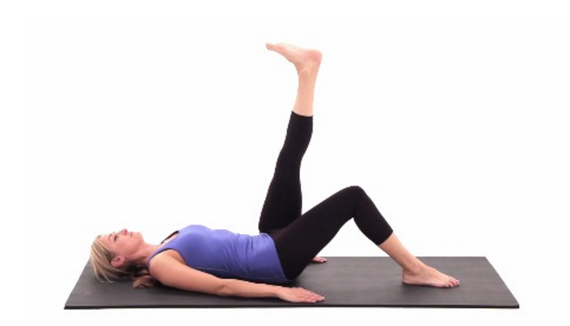
8/21/2016 Do Women with Postpartum Pelvic Girdle Pain Activate Muscles Differently Than Women Without Pain? According to the 2016 study (and previous studies) on postnatal pelvic girdle pain, Response of the muscles in the pelvic floor and the lower lateral abdominal wall during the Active Straight Leg Raise in women with and without pelvic girdle pain: An experimental study , women with pain activate muscles differently. There's help for this! The important findings are: During the subsequent ipsilateral leg lift (lifting the leg on the same side as the painful pelvic region): * pre-activation in the pelvic floor muscles was observed in 36% of women with pelvic girdle pain and in 91% of pain-free women *Compared to pain-free women, women with pelvic girdle pain also showed significantly later onset time in both the pelvic floor muscles and the muscles of the lower lateral abdominal wall We know from previous studies (one of many) that there are many prognostic factors that can relate to persistent pelvic girdle pain such as age, muscle function, disability, and previous fitness level/pain levels . What does this all mean for patients ? How can we help those of you who are dealing with lumbar and pelvic pain , even years after having a baby? The key is to address each patient individually. There are numerous layers to the pain experience - beyond just the location of pain. It is likely also simplistic and erroneous to assume that the pelvis is "too unstable" or that the sacroiliac joint is just hypermobile (there are certainly cases of people who have hypermobility as a component such as with Ehler's Danlos Syndrome, but even then, there are other factors). If you find that you have been seeing other healthcare professionals for years telling you that your leg, sacroiliac joint, or pelvis keeps going "out," that's likely not the issue. From a whole-person perspective, there are factors to consider such as hormonal, physical, sleep/lifestyle, social, and psychological (not "it's-in-your-head type, but rather effects of anxiety, stress, previous pain, or previous trauma, etc) . Therefore, addressing these factors AND taking a closer look at the pre-activation/motor control of the muscles and general movement patterns is an ideal approach. If you are a patient dealing with pelvic girdle pain, sacroiliac joint pain, lower back pain after having a baby (even years later), there's a lot of hope for getting better! A pelvic physical therapist can assess you individually to facilitate the best plan for your daily life and also provide an optimal exercise plan to guide you to relatively pain-free movements! This goes beyond simply giving a list of exercises and saying good luck! That's why so many women continue to have pain for years later. We can also work closely with your pregnancy /postpartum specialists - there are some incredible ones out there too. For professionals - The key is how do we improve/facilitate the proposed disturbed motor activation patterns that influence women's ability to stabilize the pelvis during leg? How much do we train "pre-activation?" There seem to be distinct professional views: 1. Some say just get patients moving in pain-free ways and this will help with improving neural/motor activation and don't focus on pre-activation and minutia; or 2. Others focus heavily on individual "pre-activation," movement patterns, segmental/"core" strengthening. Couldn't it be the case that we include both of these strategies (and individualize as needed) - not so much thinking we are increasing strength, but rather improving motor patterns and activation on a neural level? Another consideration: EMG testing can be subpar for understanding the underlying issue regarding muscle activation. In other words, patients may not be pre-activating pelvic floor as a result of shortening of the muscles rather than simply not activating due to weakness or other. Therefore, just working on activating the pelvic floor prior to an activity, may not be the best treatment. We still have to look at each individual and assess all of the variables. ** Did you know that Tracy Sher, MPT, CSCS and Alma Bautista, SPT, at Sher Pelvic Health are both Certified MuTu Pros™ in postnatal fitness? Minal Saraf, MSPT also specializes in Pelvic PT for pregnancy/postnatal. A 59 year-old male, traveling from out of state, presented here to SPHH with the chief complaint of "penis pain" he's had for 14 years. He's already seen physicians at the top medical centers all over the U.S. He's had pudendal nerve decompression surgery (...because he was told "MAYBE" he had pudendal nerve entrapment. This is NOT the same as pudendal neuralgia; and surgery is a last resort IF the right differentials and treatments are tried), numerous other procedures such as pudenda nerve blocks, pulsed radio frequency ablation and cryoablation to the pudendal nerves. He's had many different types of imaging tests - pelvic MRI and spine MRI. He's tried all sorts of medications. Nothing helped with his discomfort, or if it has, it was fleeting for a few days. Every place he went, they tried their best treat for what was considered a "pudendal issue." Based on his symptoms, I was glad to know he found professionals who even knew about the pudendal nerve and types of treatments. This is not always the case. Often, patients go for years hearing "I deal with the back and hips, not that region" or "It must just be in your head, stop worrying about it so much" and so forth. The issue in his case is that it appears that not all of the differentials were properly considered or assessed. THIS is the key. When I completed a long, detailed patient history discussion and listened to his story, I realized this is a patient who has been possibly misdiagnosed. The pain is at the pubic region and base of his penis. He also doesn't like to eat meals during the day because his lower abdomen feels "bloated" and his pain gets worse. He appeared to have an umbilical hernia (at the belly button). When I pressed on it, that seemed to reproduce some of his penile pain. I could decrease his pain by closing the gap at his belly button AND if I lifted his abdomen up or put a lot of pressure in an upward direction on his sit bone area and perineum. Typically, patients with pudendal neuralgia feel worse with compression or any type of pressure with sitting. He feels better sitting on a very hard surface and worse on soft surfaces. He's also had previous inguinal hernia surgery. Since our initial visit , he's had a minor surgery to correct the umbilical hernia and already had relief of some of the symptoms. I placed him on an exercise program to facilitate improved movement, better breathing, and activating the "core" muscles in a way that was supportive vs. too much lower abdominal pressure. He's also started a pelvic floor strengthening and coordination program (usually this is not recommend with pudendal issues). Any guesses what the likely correct diagnosis is for this patient? I helped the patient find the right healthcare professionals for a "virtual team" and we are continuing treatment and care for what appears to be some form of an ilioinguinal, iliohypogastric and /or genitofemoral neuralgia or entrapment (and ruling out an enterocele and/or vascular components). Stay tuned for updates! All of the usual treatments for pudendal nerve, even the conservative pelvic physical therapy treatments are not optimal. In fact, he does better with a program for strengthening and coordinating better control of "core" muscles and engaging the pelvic floor and glutes. ** This is merely one case. Just remember that each and every case is so different and the assessment and plan must be individualized. I find that so often people go online and see similar symptoms and run out and have unnecessary procedures. Find someone who understands this. Most physicians, nurses, and physical therapists do not get specialized training in pelvic neuralgias and pelvic pain . ~ Tracy Sher, MPT, CSCS
Tracy Sher, MPT, CSCS and Loretta J. Robertson , MS , PT teach a pudendal neuralgia and differential pelvic pain course for MDs and Physical Therapists internationally. The next courses are in Salt Lake City , April 18/19, 2015 and Orlando May 30/31, 2015. Check out our article : The 5 Things We Wish You Knew About Pudendal Neuralgia. 8/25/2014 Hysterectomy Tips!Hysterectomy Tips! Check Out This Article.Here's a nice article on: 10 Things Your Doctor Won’t Tell You About Hysterectomy Here are a few more tips regarding the hysterectomy procedure and what we see after the surgery. Did you know that we treat patients after all types of GYN surgeries (after 6-8 weeks post-op and with surgeon clearance) to ensure the best recovery and postoperative outcomes?
Additional Tips: 1. If you wake up from a hysterectomy (other other GYN) surgery with a NEW, severe pain that does not go away, this is a red flag. In rare cases, there can be surgical materials (sutures, staples, mesh, etc) accidentally placed through or near nerves. This is something that needs to be addressed - possibly even with another surgery to remove it. 2. If you notice significant leg numbness or weakness after surgery, you may have had a lot of compression or stretch on a nerve during the surgical positioning. A pelvic PT can help with this recovery (and time). 3. There are new surgical tools being invented right now to possibly decrease the "morcellation effect." One of the leading physicians for this is Dr. Hoyte. If you have concerns, you may want to read more or wait until the new safeguards are implemented (still needs FDA approval). http://www.tampabay.com/news/health/hospitals-adjust-hysterectomy-surgeries-after-fda-warning/2183404 If you have any more questions, feel free to leave a comment or contact us! Jessica is a 38 year old woman who started having pain with intercourse (dyspareunia) with her husband after recurrent urinary tract infections (UTIs) and yeast infections over a period of 8 months. She also had yeast infections around the same time. She was treated with antibiotics and antifungal medications. At first, the pain with intercourse was just mild, but the pain started increasing over time until she could no longer tolerate intercourse at all. Even after she had repeated tests showing that she was no longer was having UTIs or yeast infections, she was still having pain with attempts at intercourse. She then became fearful of intercourse due to the pain association. She also noticed it took longer to urinate and she sometimes felt like she had to “push” to get the urine flow to start.
Highlights of Clinical Findings: Jessica had an anxiety level of 7/10 with regard to fear of pain with GYN exam or attempts at vulvar touch or intercourse. The most significant findings: 1. Tightness and tenderness of the levator ani pelvic floor muscles 2. During a pelvic floor muscle examination, Jessica would reflexively tighten her inner thighs and her pelvic floor muscles would contract and go into spasm(a vaginismus response), making it harder to perform the exam. The biofeedback surface emg testing showed a slightly elevated resting baseline of 3.8 mv. Treatment: The first part of treatment focused on decreasing anxiety levels associated with the thought of touch or direct touch near the vagina. This involved pelvic physical therapist guided exercises with guided imagery and then a patient home program for guided imagery, graded imagery and meditation. Instruction on use of graduated dilators for home was implemented. Check out this guide to using dilators. Manual therapy was implemented to work on desensitization strategies for touching the area and gentle internal vaginal manual therapy for tightness and spasm of the levator ani pelvic floor muscles. Instructions focusing on relaxing the pelvic floor muscles (rather than tightening like a Kegel exercise) helped. By the 10th week of treatment (6 PT sessions), Jessica went back to pain-free intercourse and was able to urinate without straining. She also learned strategies for bowel, bladder, and sex that will help her in the future. Case Discussion: Why did this seem to go from UTI/Yeast Infections to a problem with intercourse and urination? I will expand on this section soon - get ready for talk about viscero-somatic and somato-visceral reflexes and more! * A team approach worked well, with the GYN prescribing muscle relaxers for the patient to take at night. We could also monitor symptoms to make sure Jessica was no longer having any other recurrent infections. *This post will have more details soon! Stay tuned. What IS Pelvic Physical Therapy and Why Doesn't EVERYONE Know About It? Blog post by Tracy Sher on Pelvic Guru. Click Above to see the full article. |
Author
|


RSS Feed